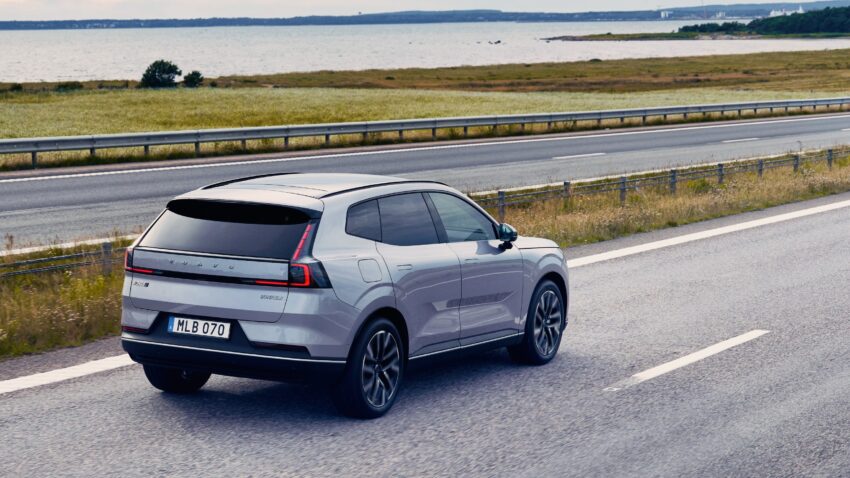
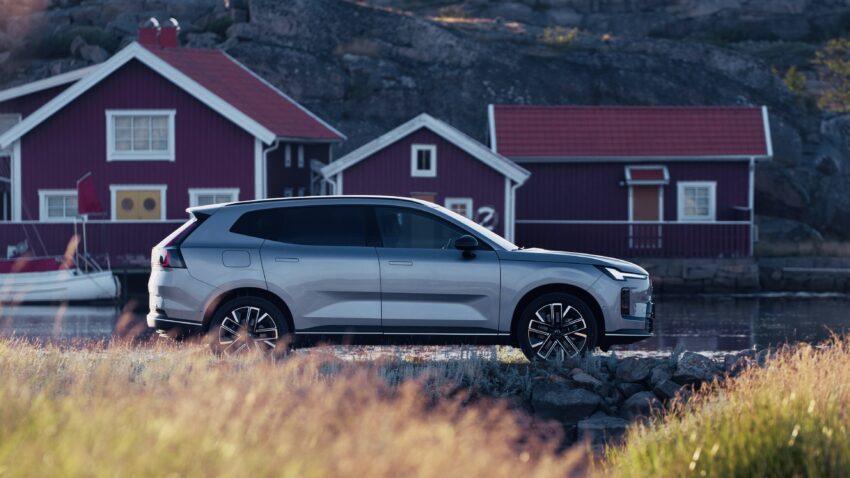
Volvo’s XC70 has been resurrected for a third generation, but this time the family-friendly wagon has become an SUV-like midsize crossover with a plug-in hybrid powertrain capable of easily delivering a typical day’s worth of driving on battery power alone.
The official unveiling was accompanied by specifications for the Chinese version, which will launch first. Volvo also plans to sell the new XC70 in Europe, and hasn’t said whether it will bring it to the U.S.
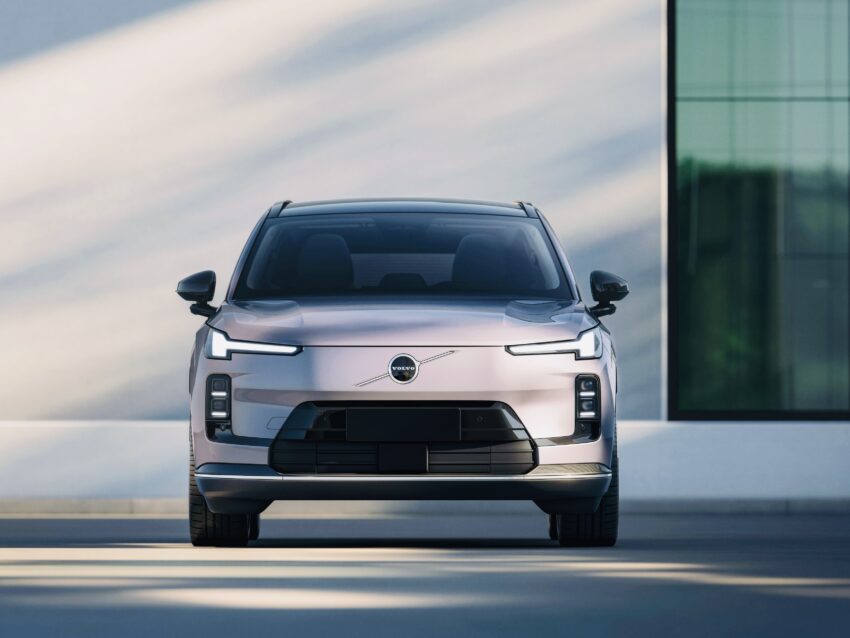
Could be Good Fit Here
It is a great candidate for the crossover-crazed American market, though, and could be added to the production line at Volvo’s assembly plant in South Carolina, where the slightly smaller XC60 crossover is scheduled for production in 2026.
Building the XC70 in the U.S. would allow Volvo to offset the 102% tariffs imposed on Chinese-built EVs and PHEVs. Volvo is owned by China’s Geely Group and the Asian version of the XC70 jsut started production – in China.
Volvo needs vehicles like the XC70 plug-in hybrid for its U.S. dealers, now that is has dumped wagons and sedans from its 2026 lineup here.
A PHEV with lots of all-electric range could be a hit while the market for purely electric vehicles is slowing as federal support for EVs dries up under Trump administration policies favoring fossil fuels.
The XC70, however, is built on a new Volvo platform, dubbed SMA or Scalable Modular Architecture, that’s designed specifically for long-range PHEVs.
The South Carolina plant likely would need new tooling to build SMA-based models; it currently is rigged for EVs (the Volvo EX90 and Polestar 3) and for models built on the platform that underpins the XC60 and XC90 crossovers.
Lots of Electric Miles
On the Chinese test scale, which doesn’t include any high speed driving, the new XC70 PHEV is rated at “more than 200” kilometers – 124 miles – of range, according to Volvo.
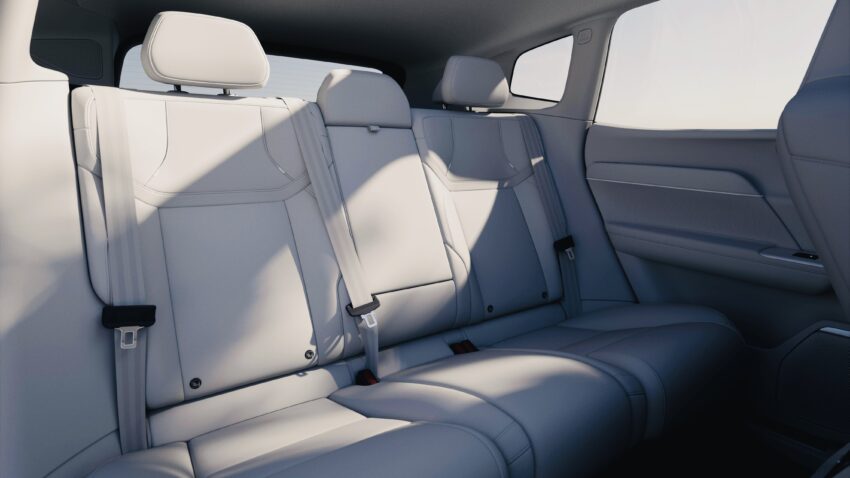
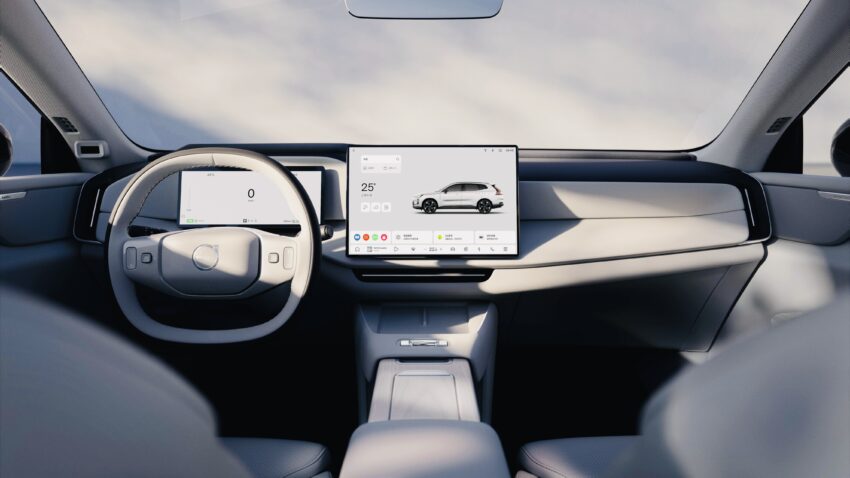
That translates to the neighborhood of 85 miles under the more conservative U.S. range test standards and would give it the longest all-electric range of any PHEV sold in the U.S. The Mercedes Benz GLC plug-in hybrid is the current champ with an EPA-estimated 54 miles of all-electric range.
As with any plug-in-hybrid, the new XC70 is designed to be charged daily and driven on battery power as much as possible. When the battery is depleted, or the driver selects an operating mode that bypasses all-electric power in order to conserve battery energy, a gasoline engine takes over.
Volvo hasn’t published much of the XC70’s spec sheet, but a sister vehicle sold in Europe under the Geely Group’s Lynk & Co brand has a turbocharged, 1.5-liter four-cylinder gas engine.
We’ll be back with more if Volvo decides we’re right and the XC70 PHEV would be a good fit for the U.S. market.