

Sad news for some – federal tax credit incentives for new and used EVs will end Sept. 30.
Yup, after a decade of promoting clean vehicle sales through income tax credits, the feds are bowing out of the game as the Trump Administration attempts to take us back to the days when gasoline and diesel were king.
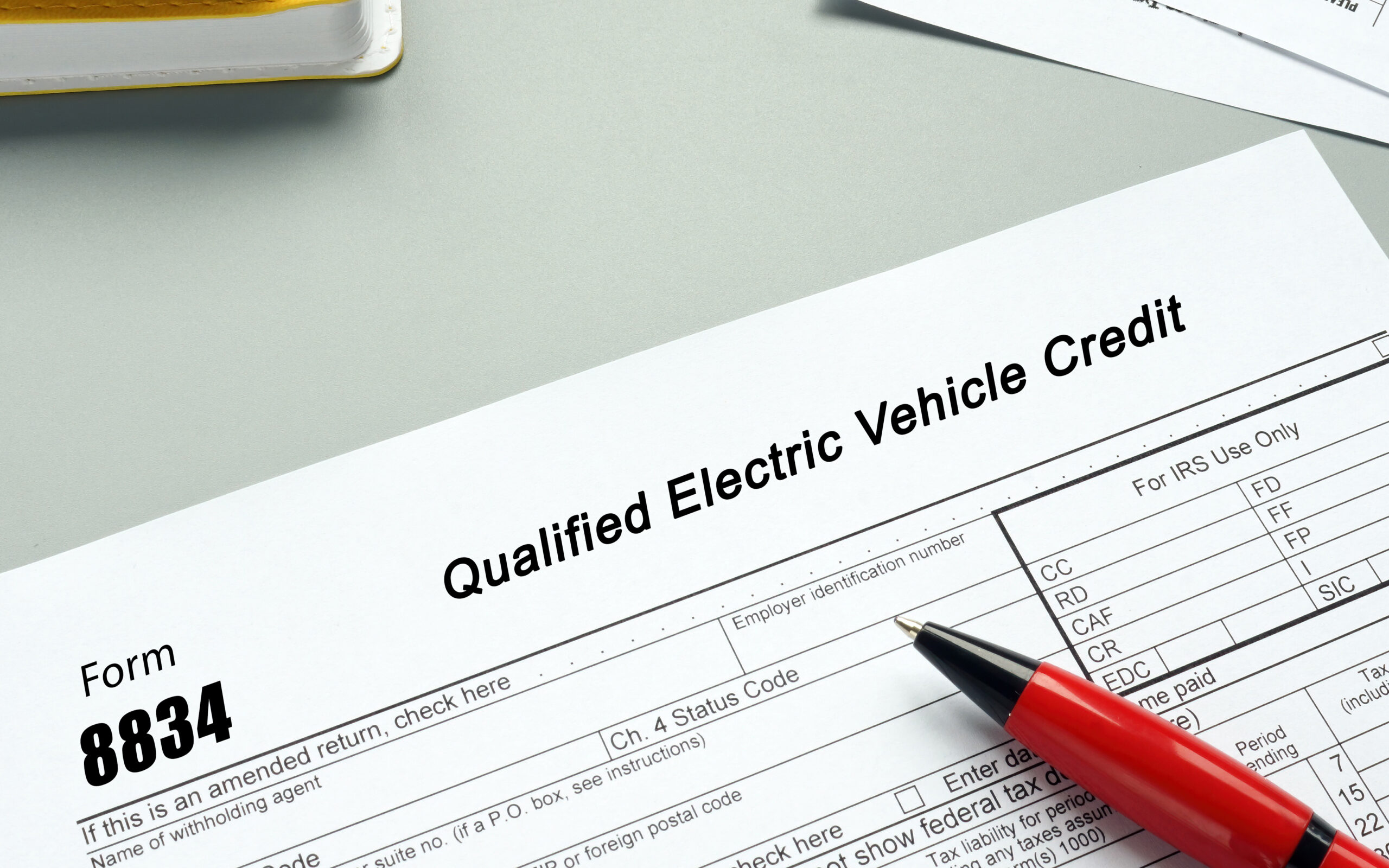
The new budget bill passed by Congress July 3 on a party-line vote with no Democrats in support will end most federal incentives for most clean energy programs within the coming year, with the tax credits for electrified vehicles and home EV chargers going away at the end of September. That’s six years ahead of schedule.
Bad for Business
It’s bad news for automakers who’ve invested billions in EV development over the years – mainly at the behest of the federal government.
EVs still cost more to build than do conventional autos, so federal tax credit incentives helped with sales.
It used to be that new presidential administrations pretty much lived with what had been put in place by their predecessors. That provided American businesses with a bit of continuity and the comfort of knowing that investments made to accommodate new federal programs today wouldn’t be rendered worthless tomorrow.
But there are new rules now under the MAGA banner and it appears that anything can be ditched when administration and/or control of Congress switches hands.
Mixed Impact on EV Buyers
It’s not terrible news for those who purchase the vehicles because tight new restrictions approved during the Biden Administration already had stripped most new EVs and PHEVs of their tax credit eligibility when purchased.
Those who leased got a break, however, when an IRS ruling restored eligibility for plug-in vehicles that were leased.
As a result, leases have accounted for close to 70% of all new EV “sales” in the past year.
Here’s What Goes Away
Under the new rules, though, there will be no federal tax credits for clean vehicles, period.
No credits for new EVs, purchased or leased, regardless of where they are built and whether their batteries come from the U.S. or China or Timbuktu.
No credit for used EVs (there had be one of up to $4,000 depending on purchasers’ incomes and the used vehicles’ age and price)
No credits for home EV chargers.
Still Some Time
For many EV shoppers, the tax credits have been nice but not essential. Many EV makers concentrated on high-end models and a decent share of those typically are purchased by higher-income consumers who could afford the electric cars, crossovers and trucks even without a credit. That’s why leasing accounts for 70% of transactions and not all of them.
But for a lot of consumers, the incentives have made a difference. That’s why leasing accounts for 70% of transactions now, the highest level ever.
The GOP-approved budget bill essentially removes EVs as an option for many low- and -middle-income consumers.
So if you are in the market for an EV this year, and getting a break on the purchase price is a make-it-or break-it condition, you’ve got until Sept. 30 to act.
After that, the only price breaks will come from a few state and local incentives and whatever discounts manufacturers and dealerships feel it necessary to offer.
An EV-Free Future?
Does that mean EVs are over?
Probably not. Those billions that vehicle and battery makers have invested over the years provide strong incentive for them to keep going, as does the continued drive for cleaner vehicles in Asia and Europe.
U.S. automakers will have to continue developing EVs – or buying someone else’s technology and adapting it to their vehicles – in order to remain competitive in overseas markets even if Americans stopped buying electric vehicles on Oct. 1.
And while domestic sales of electrified vehicles likely will slow a lot until the industry comes up with a formula to achieve competitive pricing and to ensure a decent public charging network to facilitate distance driving in EVs, sales won’t grind to a halt.
Too many American drivers have sampled EVs and discovered that they like them, and regardless of transient federal policies toward clean air, too many states have a vested interest in promoting EVs as a way to reduce health care costs associated with tailpipe emissions.
And given that it is now apparently okay for a new presidential administration to trash everything it doesn’t like about what the old administration did, the tide eventually will turn.